
Why We Choose Film Wedding Photography?
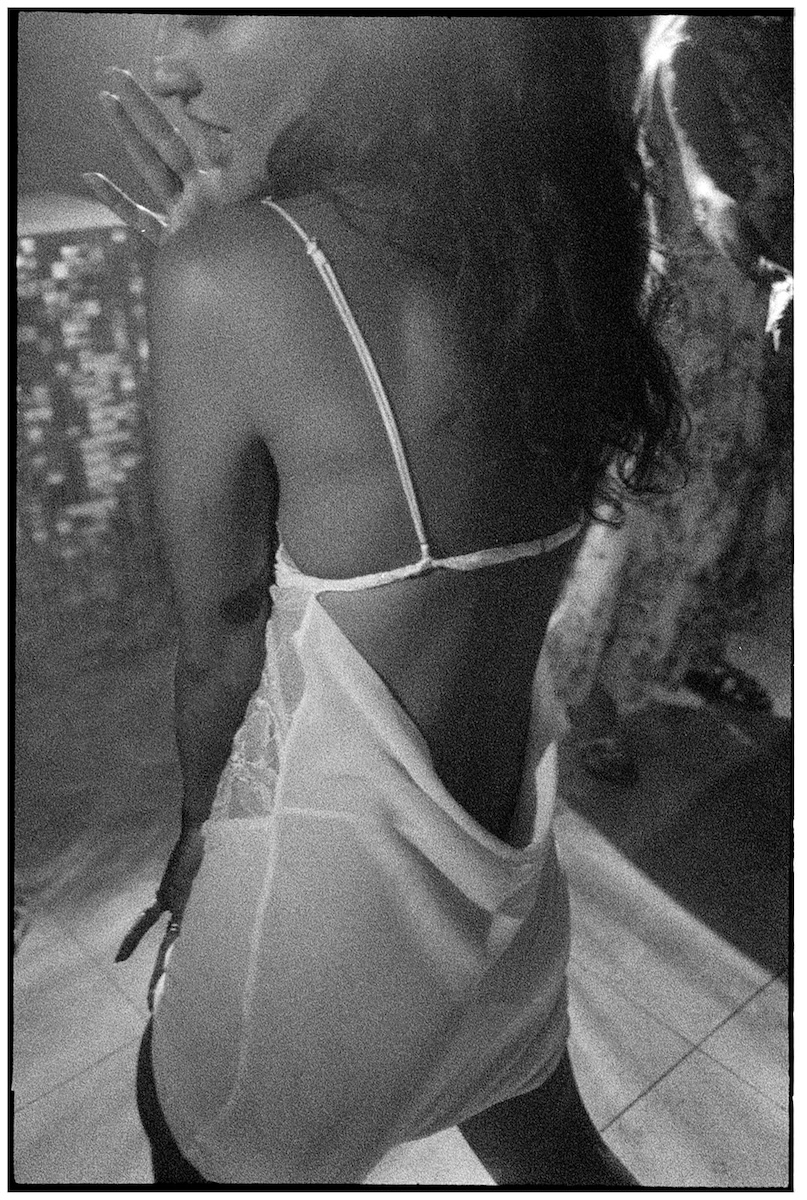
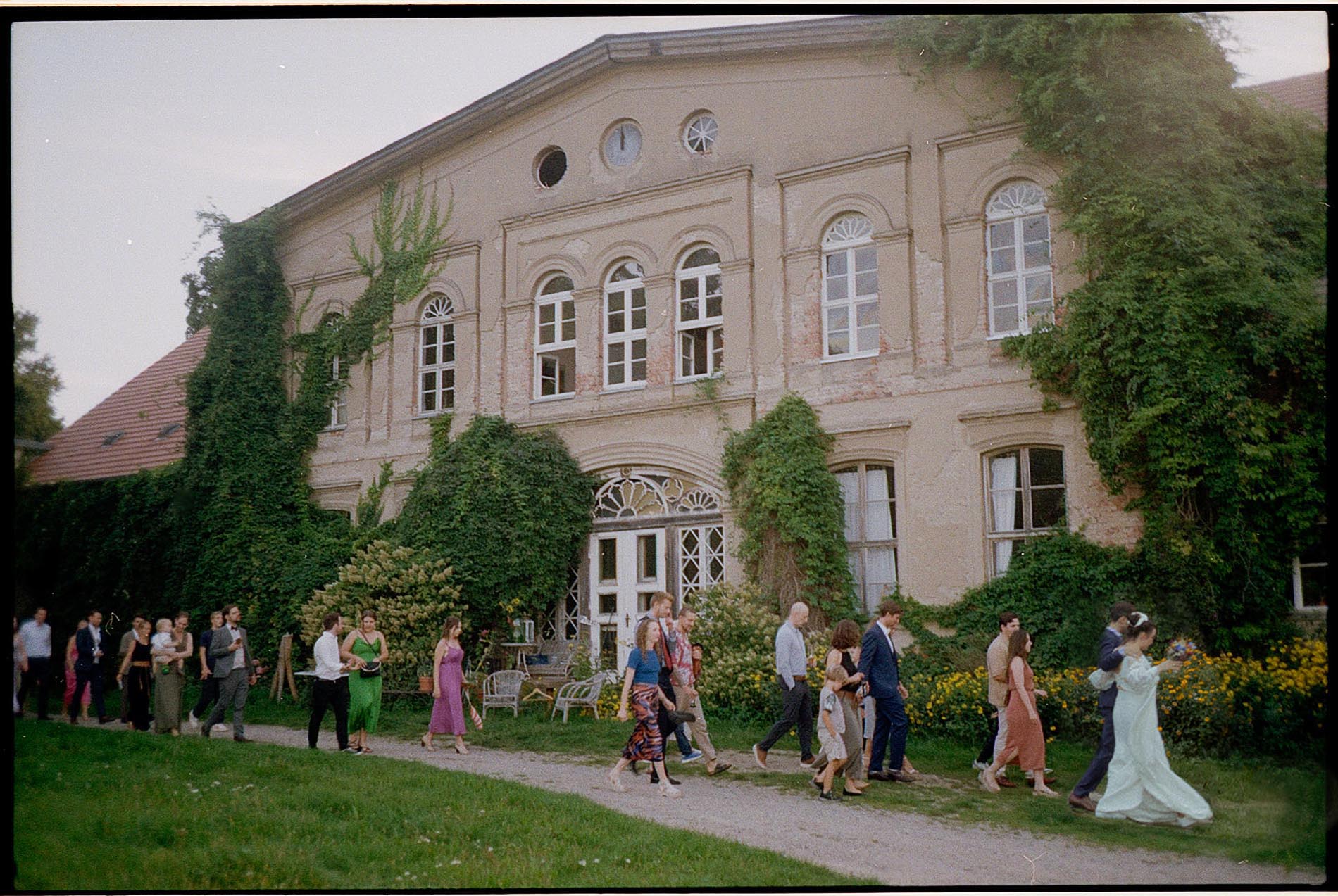
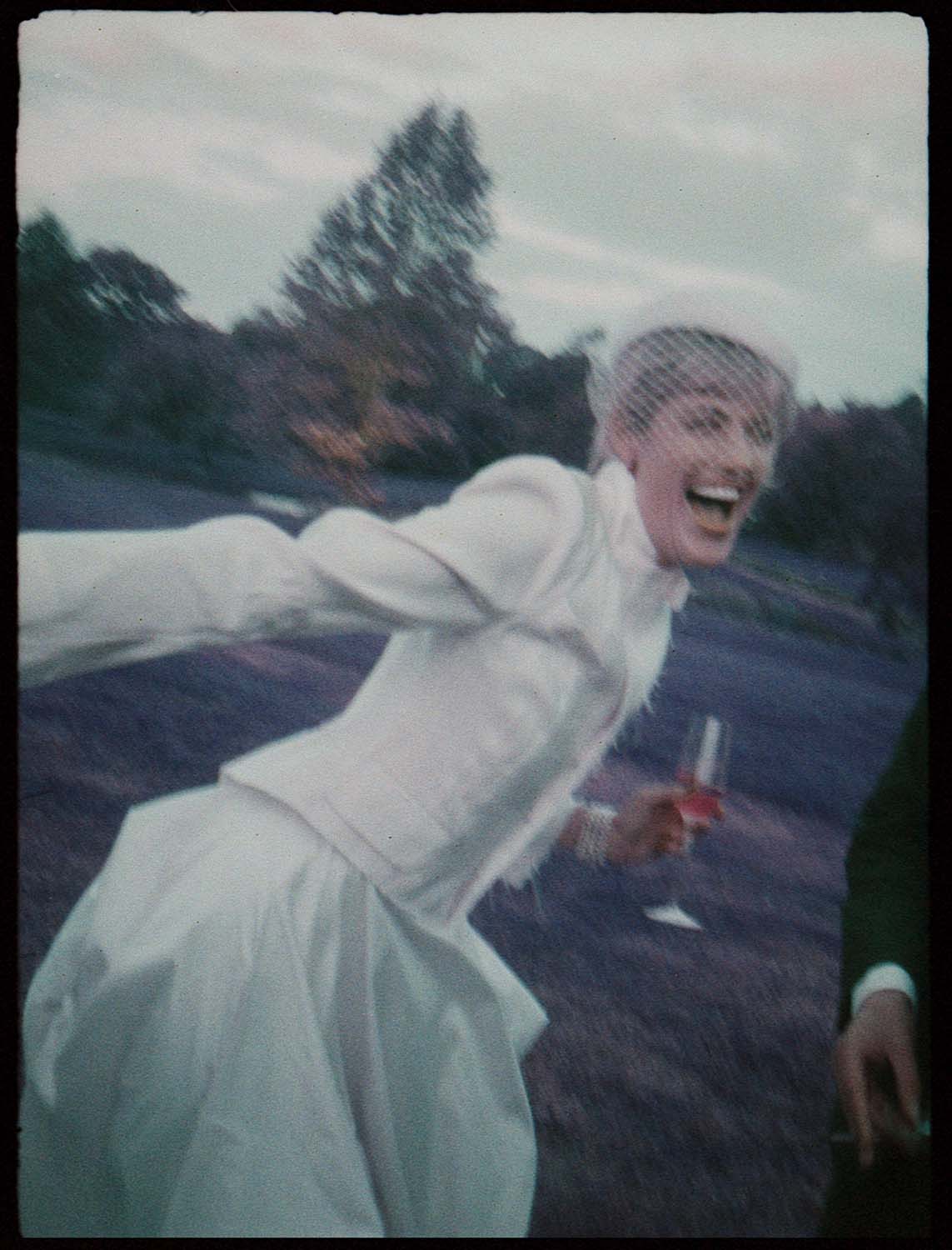
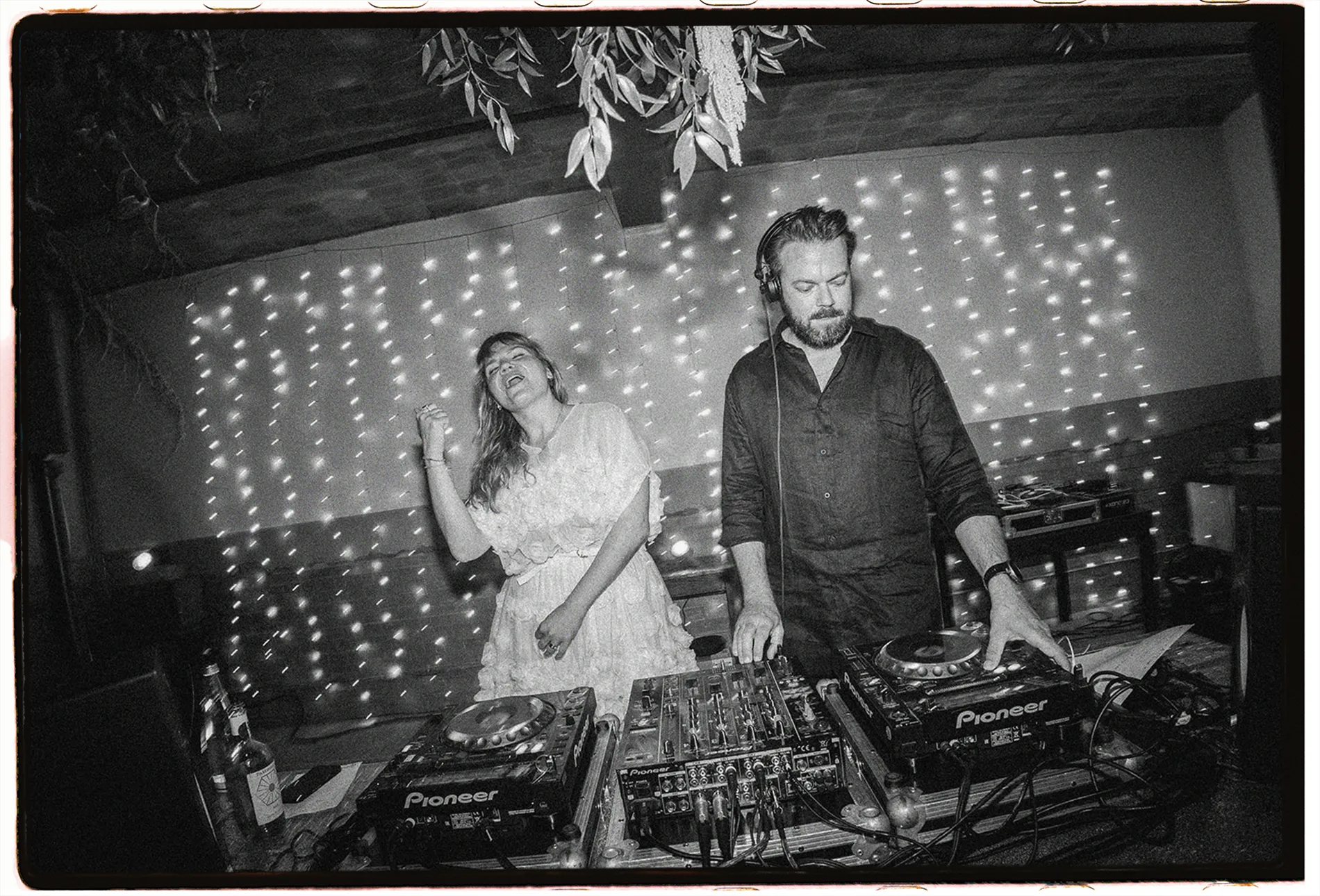
(Moni) I learned to shoot and develop film in high school. Then I studied photography at university where I ended up teaching for a year. Film is my language; all the photos for my personal projects and my everyday photos are on film. Is not just a trend, we’ve been using film for over 25 years. Using 35mm, medium format, polaroid or half frame, each frame is treated as a living record, reflecting real interactions, fleeting gestures, and the unrepeatable character of your celebration.

Why Choose Film For Your Wedding?
Film offer textures, light, and depth that digital alone cannot replicate. The tactile quality of grain, the subtle shifts of color, and the unexpected way light interacts with motion create an immersive experience. For couples seeking something beyond traditional or predictable imagery, analog formats translate emotion and atmosphere directly onto film, giving your wedding a tangible, timeless presence that endures beyond trends or templates.
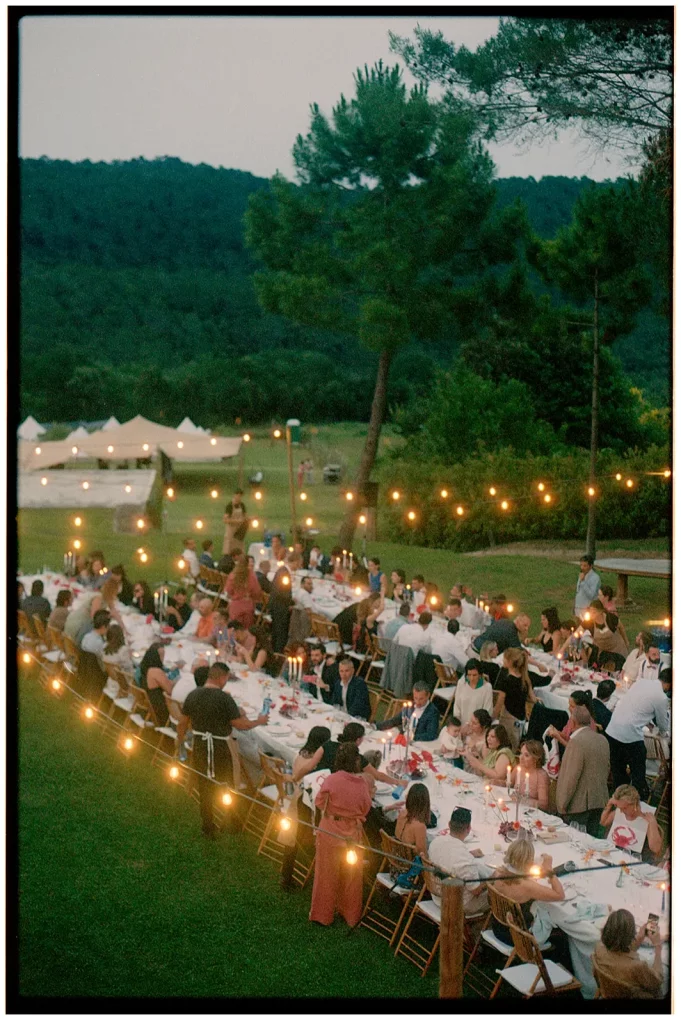
Timeless Aesthetic: Nostalgia, Color Science & Grain
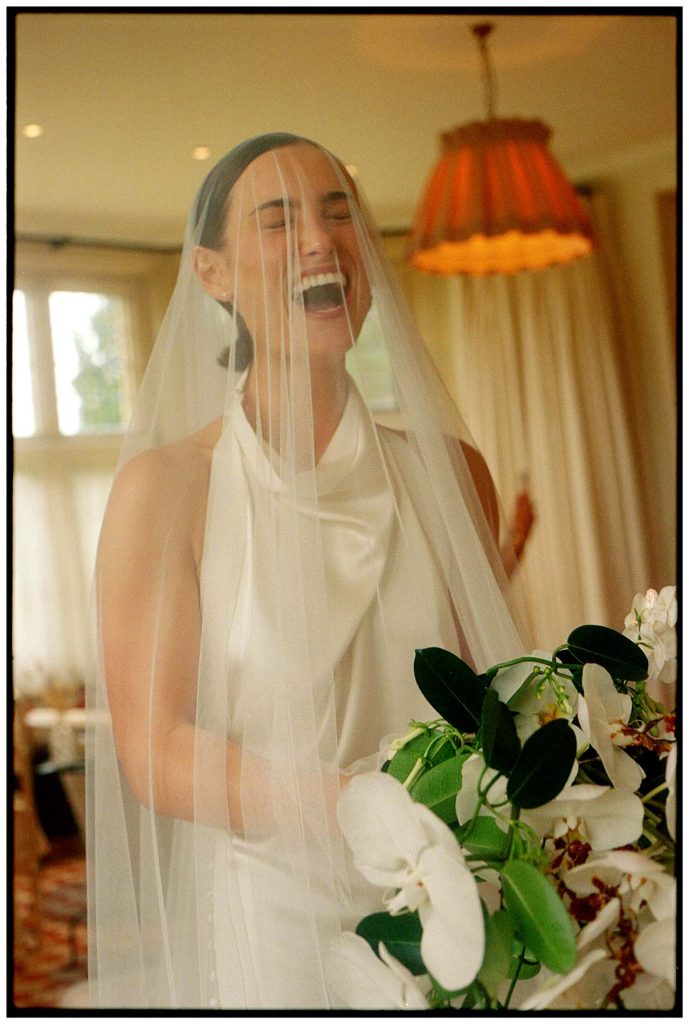
Analog film offers superior color science, particularly in the reproduction of skin tones and smooth transitions in highlights. Unlike digital clipping, silver grain creates a three-dimensional depth and a chromatic palette that does not rely on fleeting, trendy editing presets.
Mindfulness In The Process
The analog process imposes a deliberate pace. With a limited number of exposures per roll, we prioritize composition, light, and the exact emotional moment over mass capture. This physical presence results in a more coherent and less intrusive narrative throughout the event.
From Negative to Heirloom
Film photography guarantees longevity through a physical asset: the negative. While digital files are vulnerable to data corruption and format obsolescence, a correctly developed negative is a tangible proof that can be re-scanned with future technology, maintaining its relevance for decades.
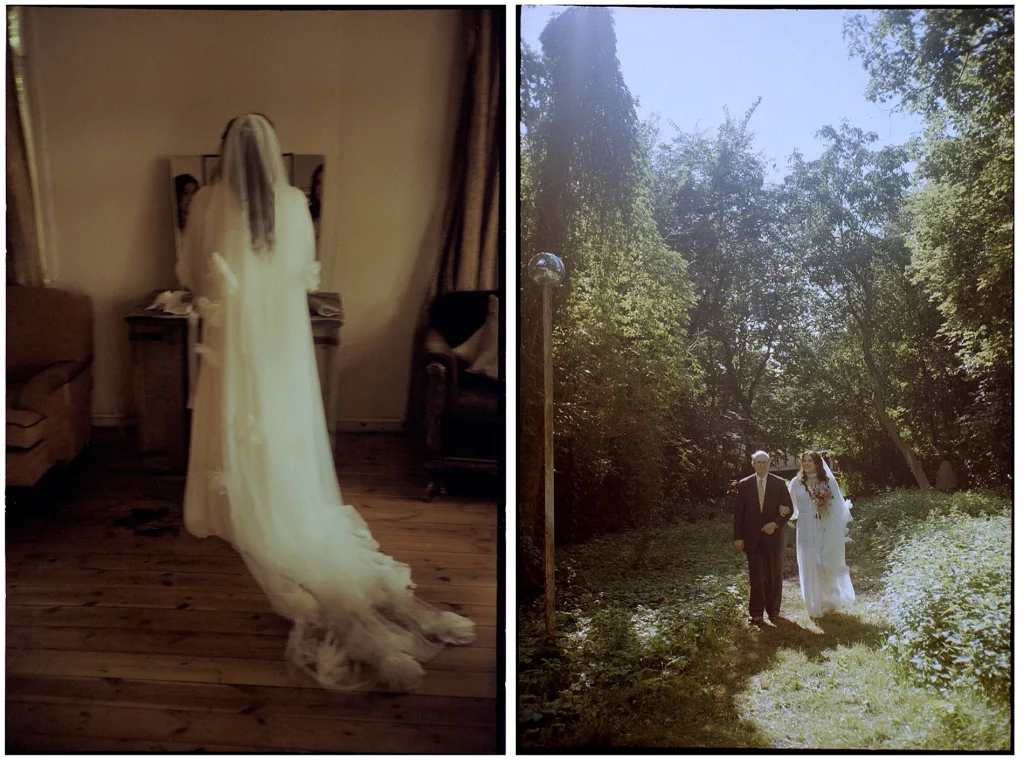
Expertise: Mastering Formats And Emulsions
35 mm Photography
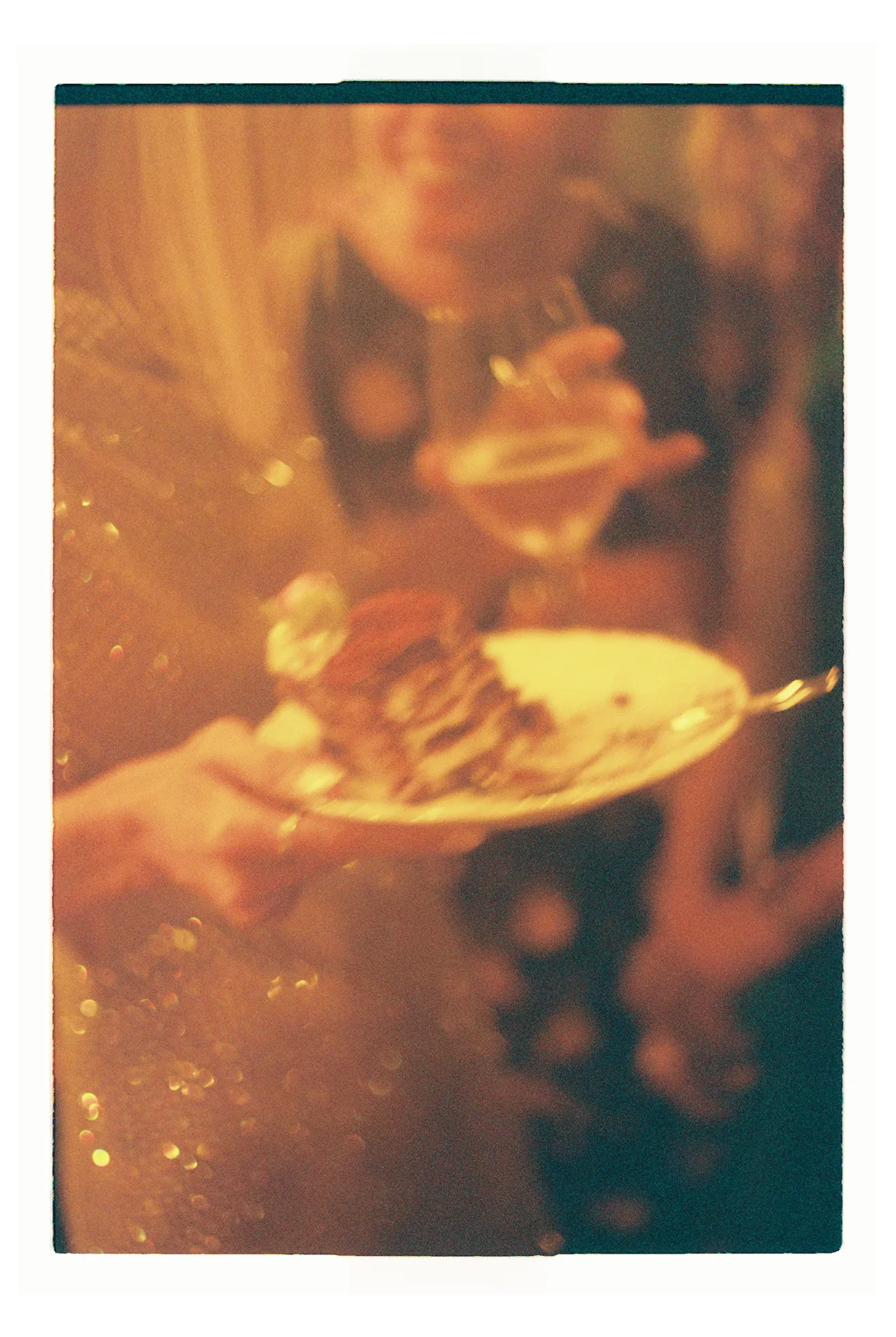
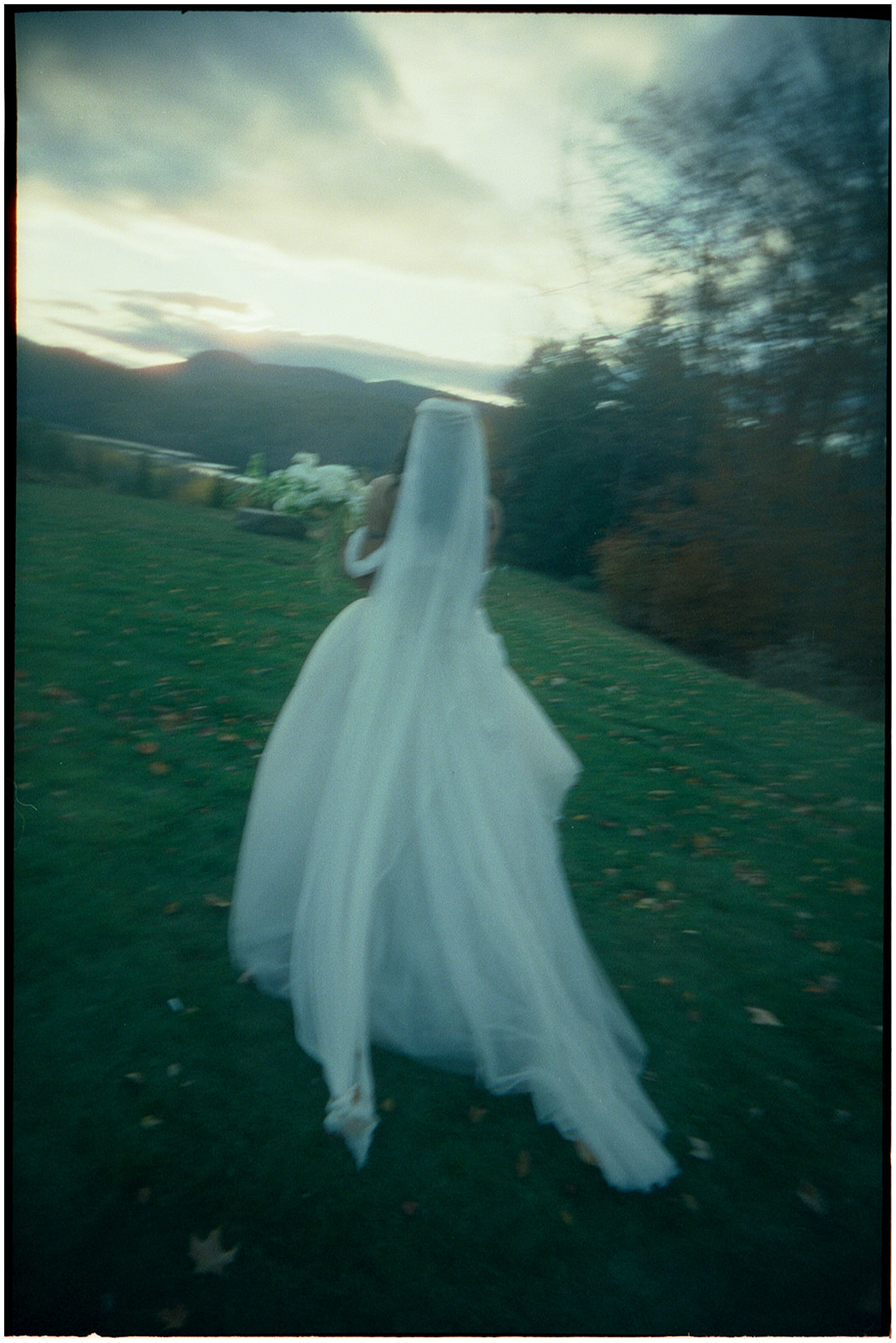
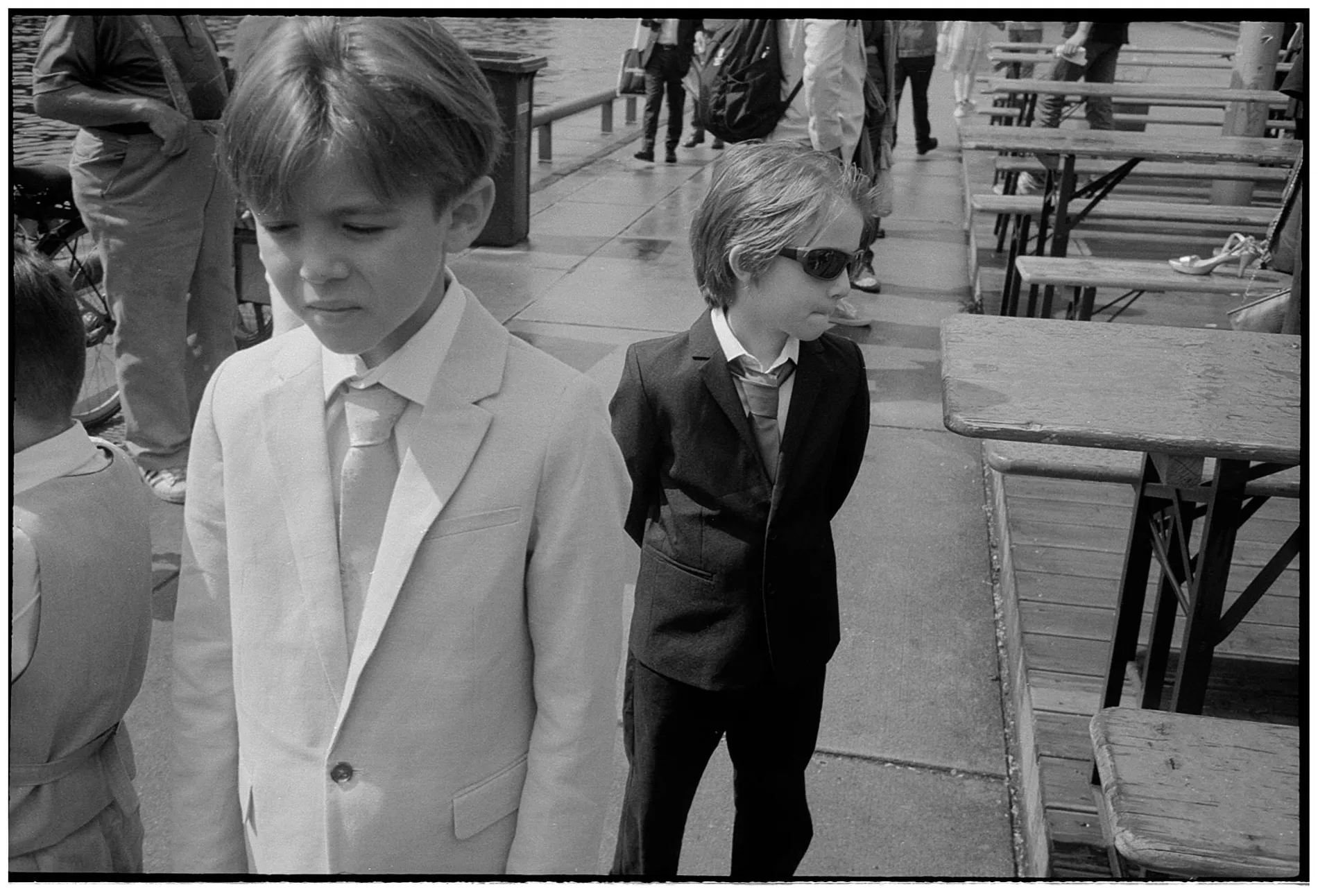
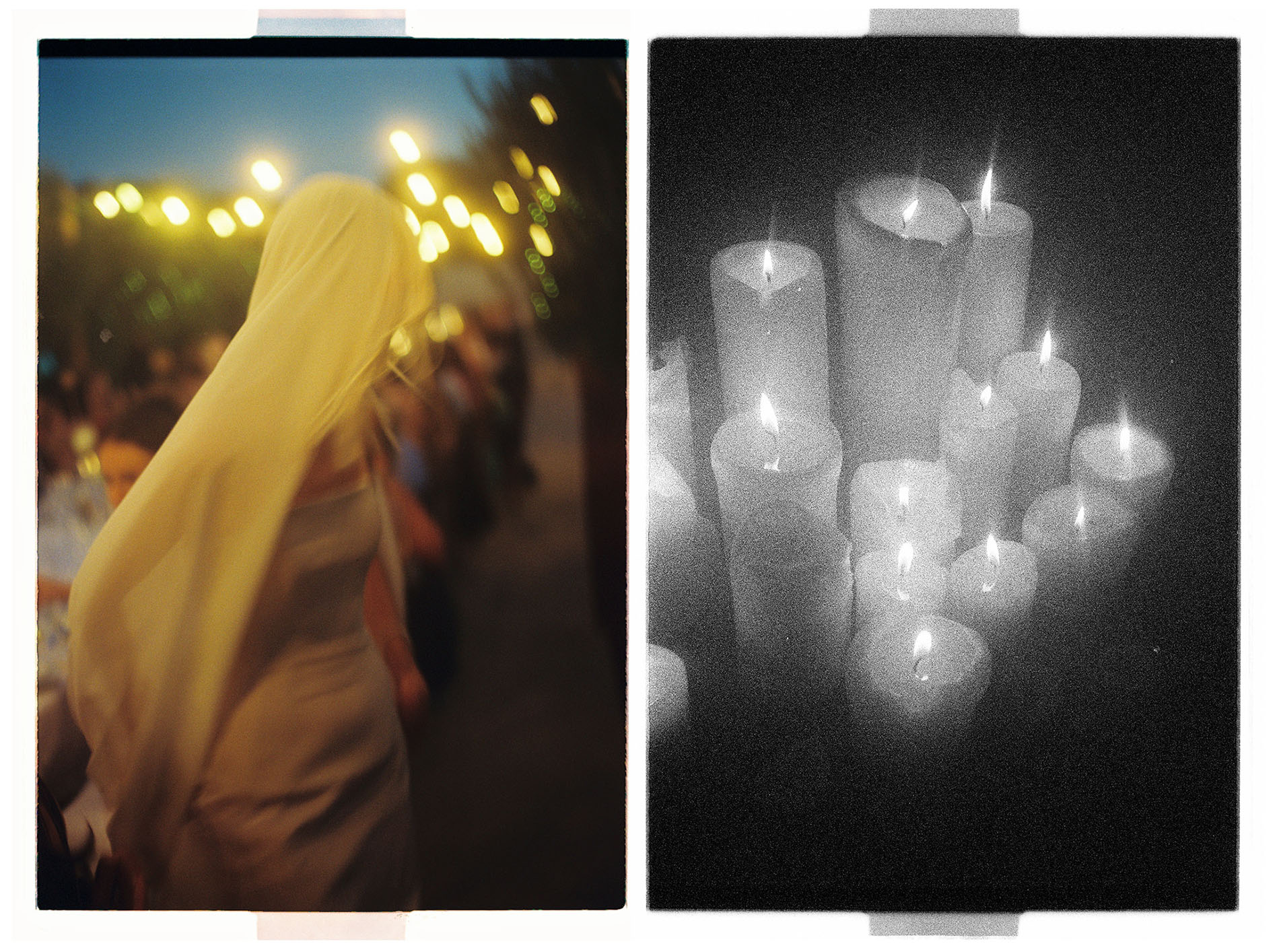
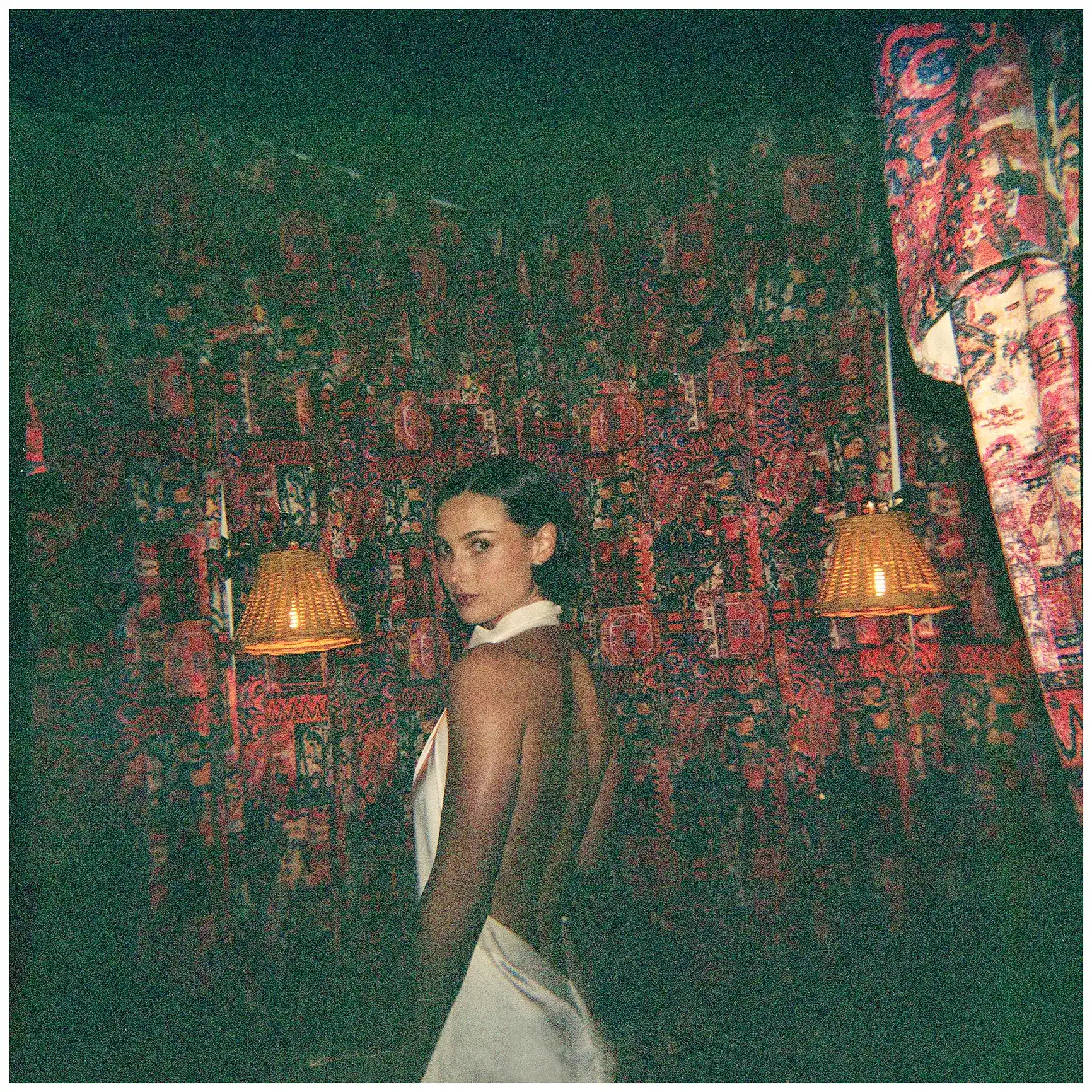
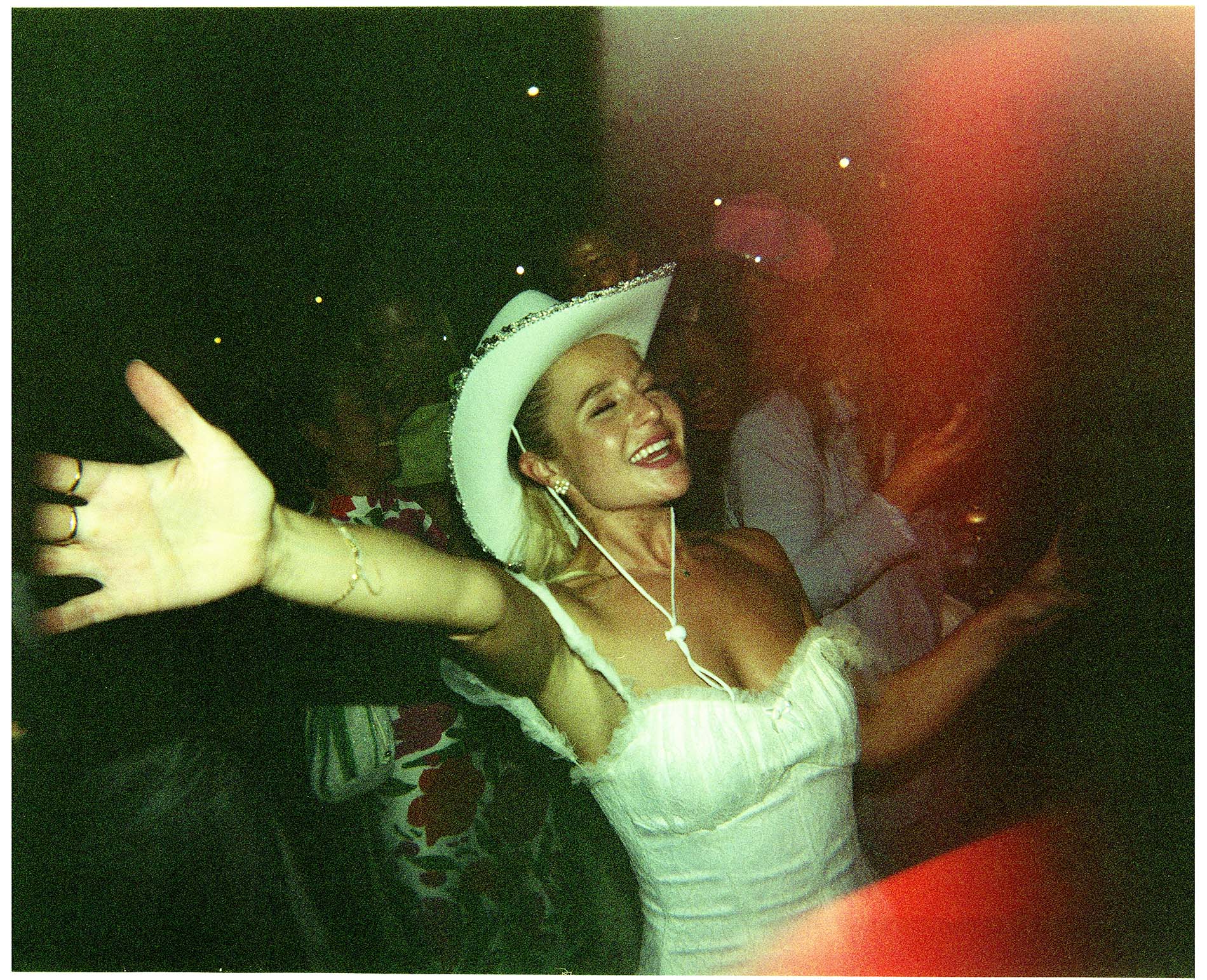
35mm provides versatility and immediacy. Its compact frame allows us to move unobtrusively, capturing spontaneous interactions without interfering with your day. Each image carries the texture and depth of analog capture, preserving natural expressions and subtle gestures with a clarity that feels both intimate and cinematic.
35 mm Cameras & Films
Our favourites:
-Cameras: Canon A1, Olympus Mju II, Reto, Olympus Pen.
-Films: Kodak Gold, Ultramax, Portra 400, Portra 800, Ilford Delta 3200
-More cameras: Chinon, Polaroid SX-70, Konica Big Mini, Polaroid Land 450, Chinon auto 3001.
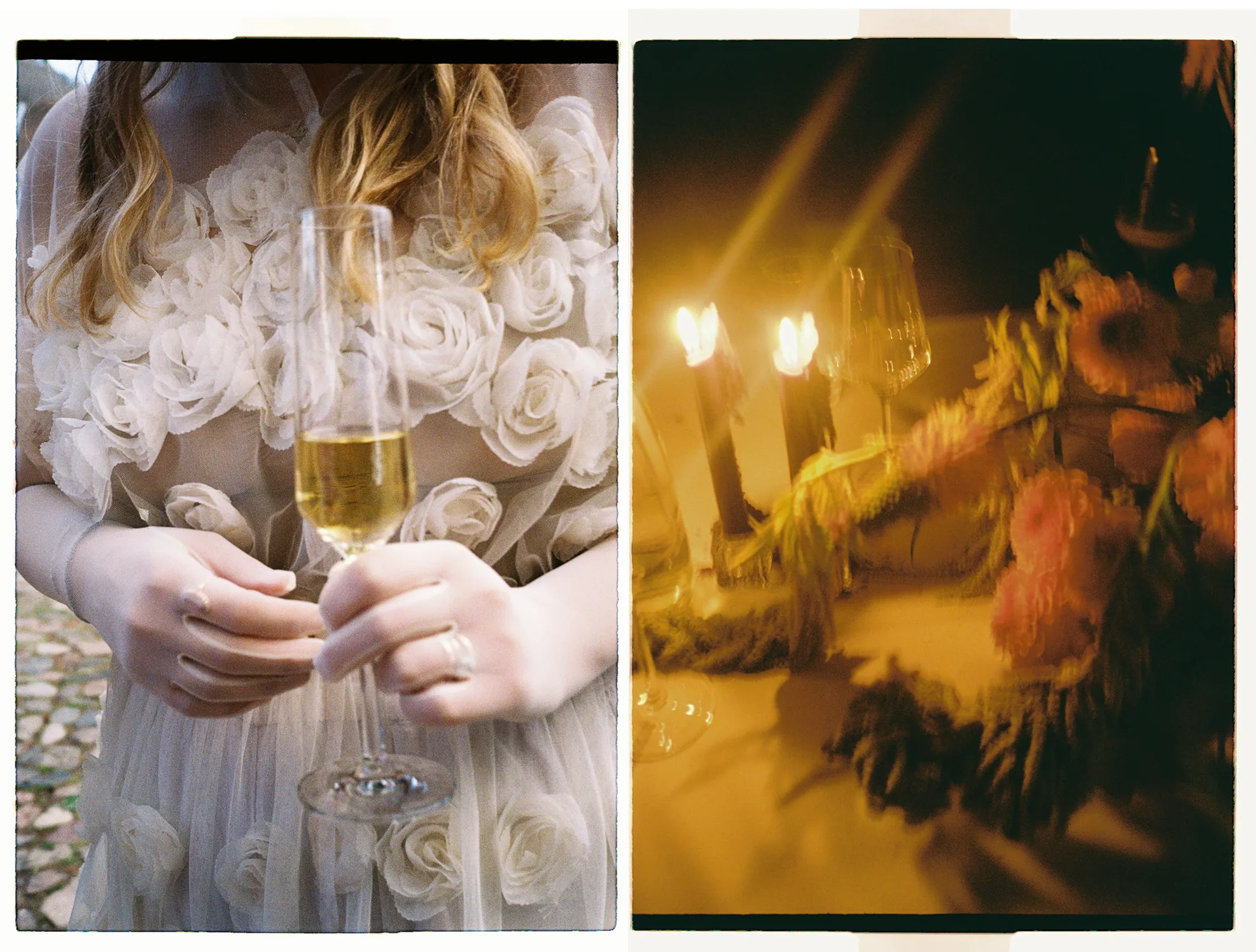
Medium Format Photography
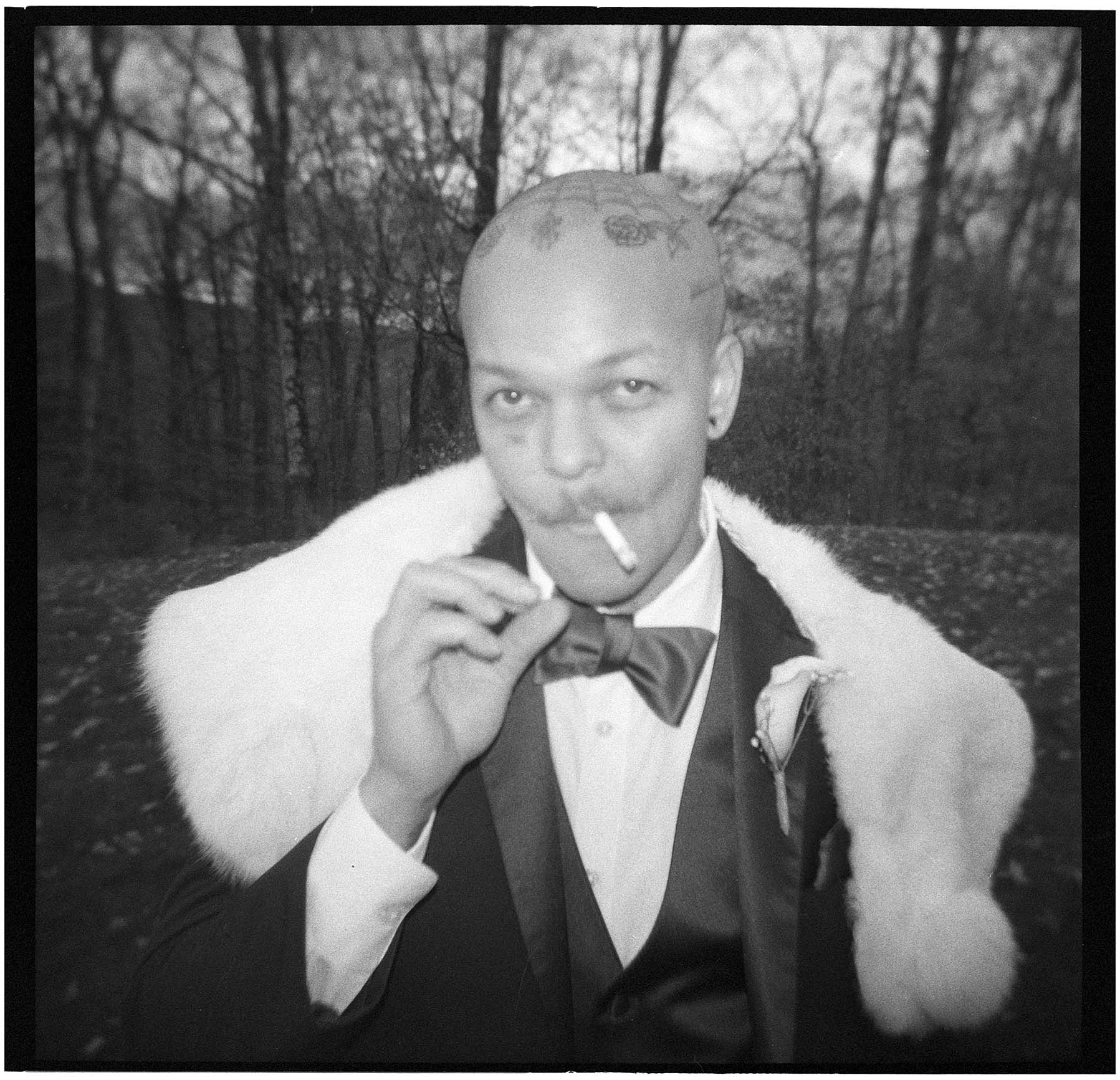
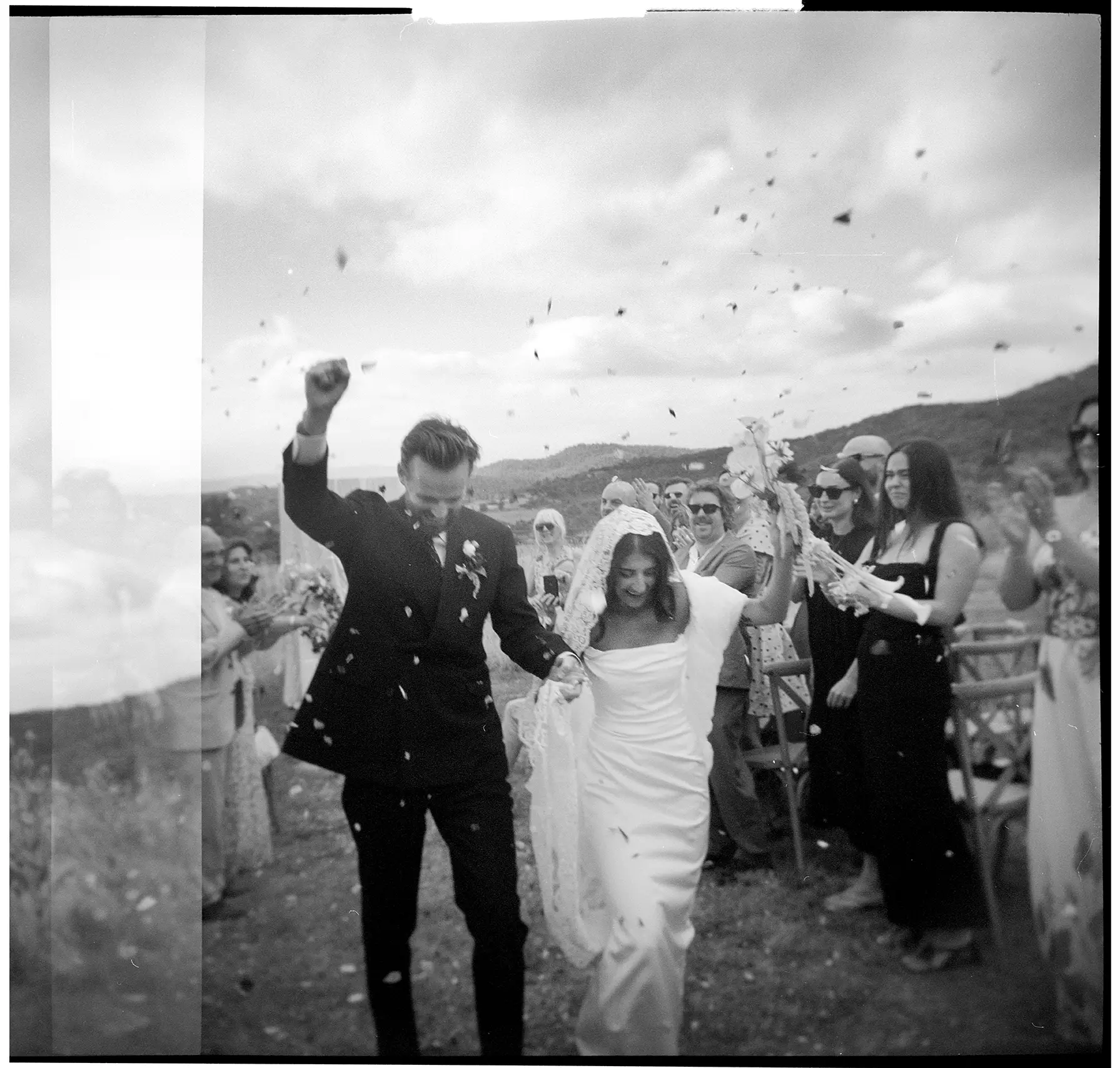
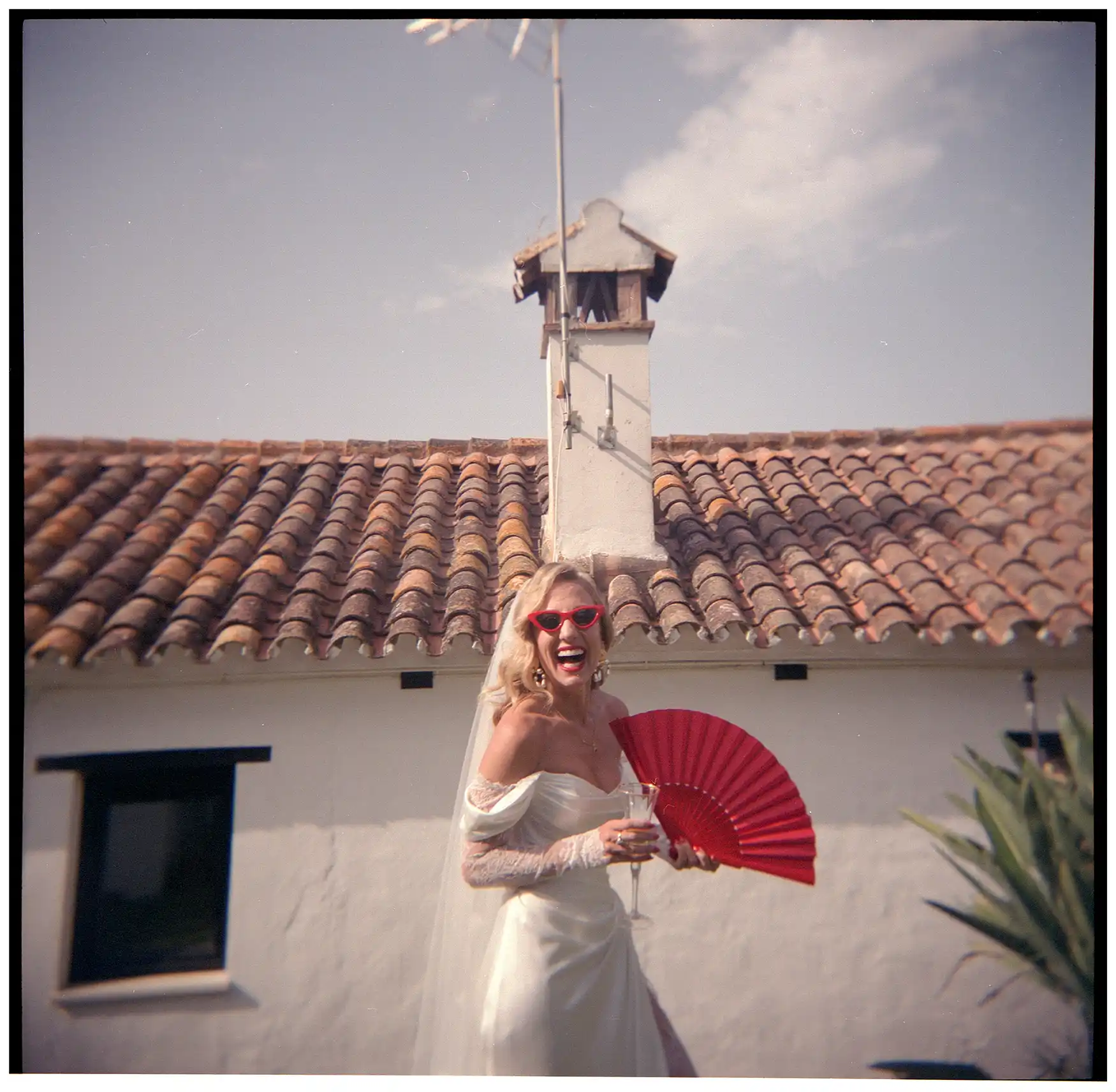
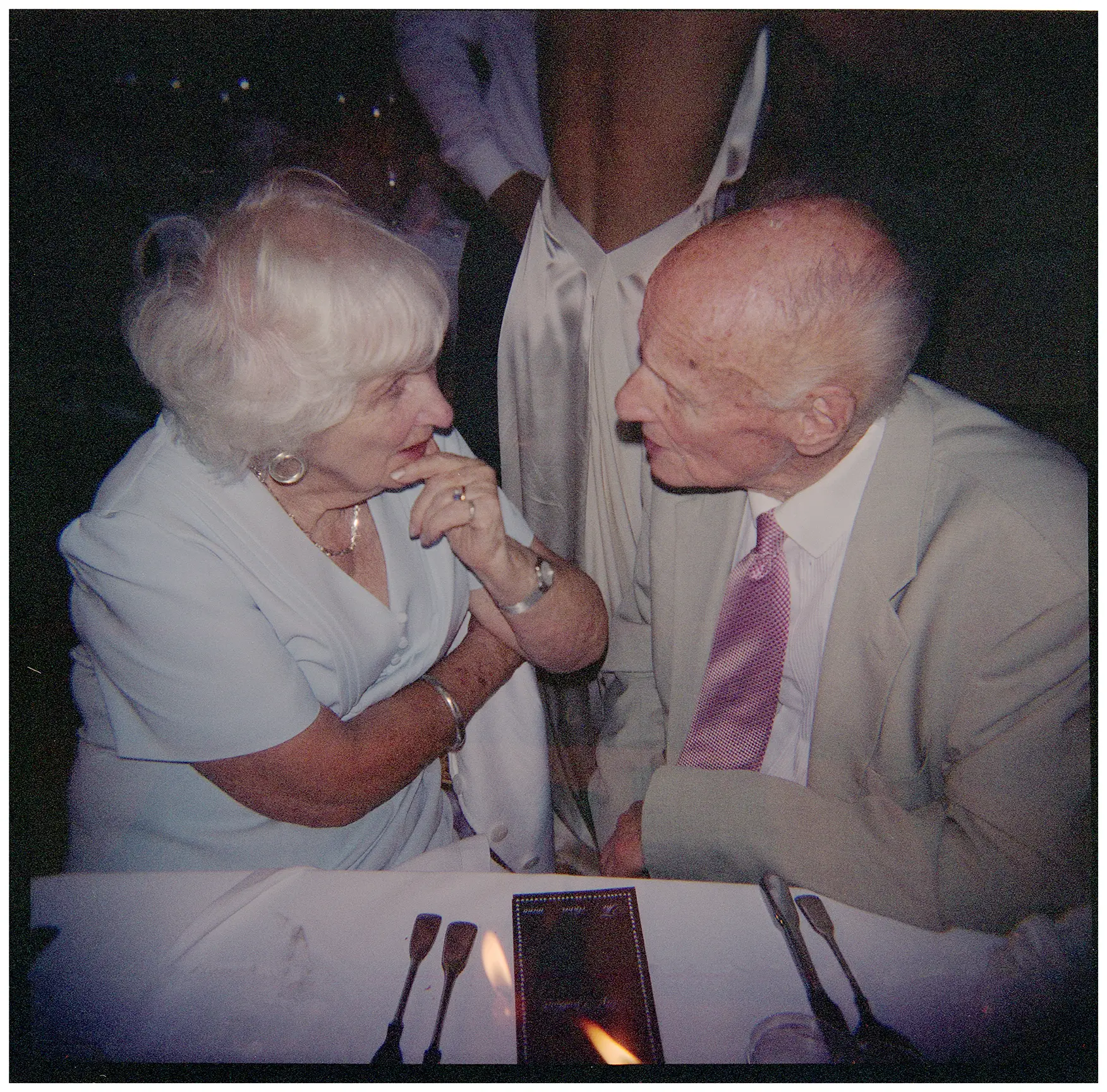
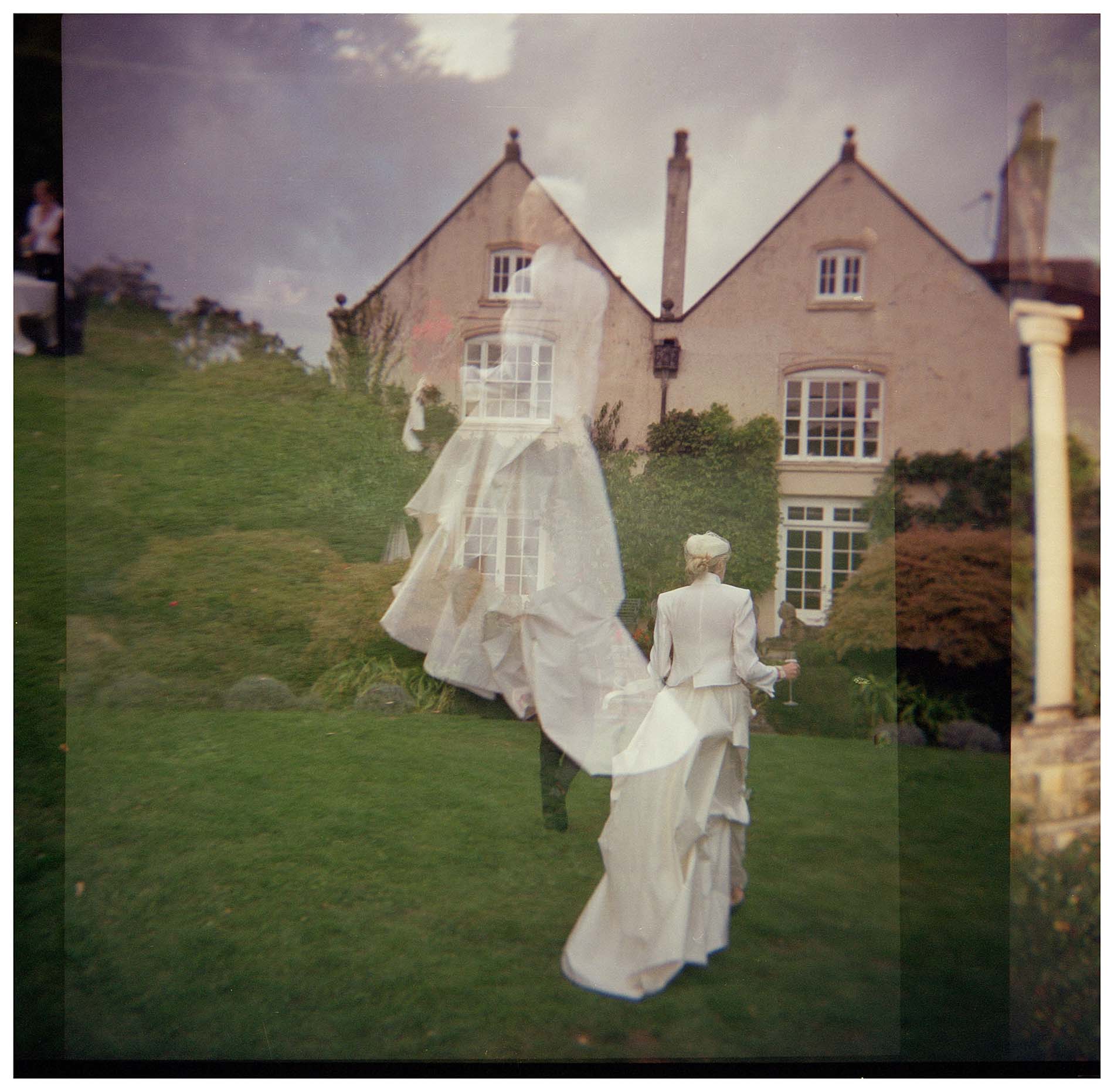
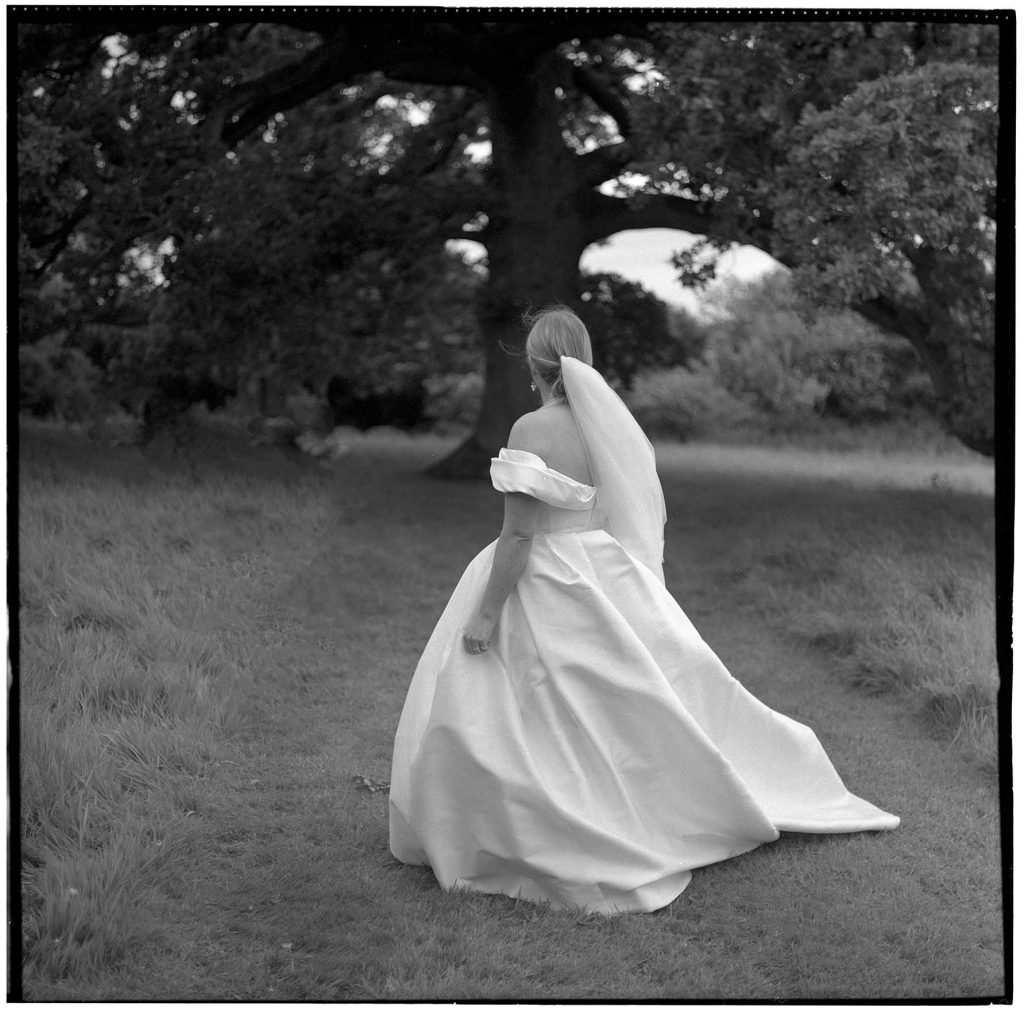
Medium format elevates detail and tonal richness. From sweeping landscapes to quiet moments, it offers a wider dynamic range and a depth that transforms ordinary light into something extraordinary. The resulting images are immersive, precise, and emotionally resonant, framing your story in a way that feels alive and considered.
Medium Format & Cameras
Our favourites:
-Cameras: Holga 120N, Pentacon Six TL, Rolleiflex 3.5f .
-Films: Fuji Pro 400, Ilford delta 3200.
Selecting The Right Film Stocks
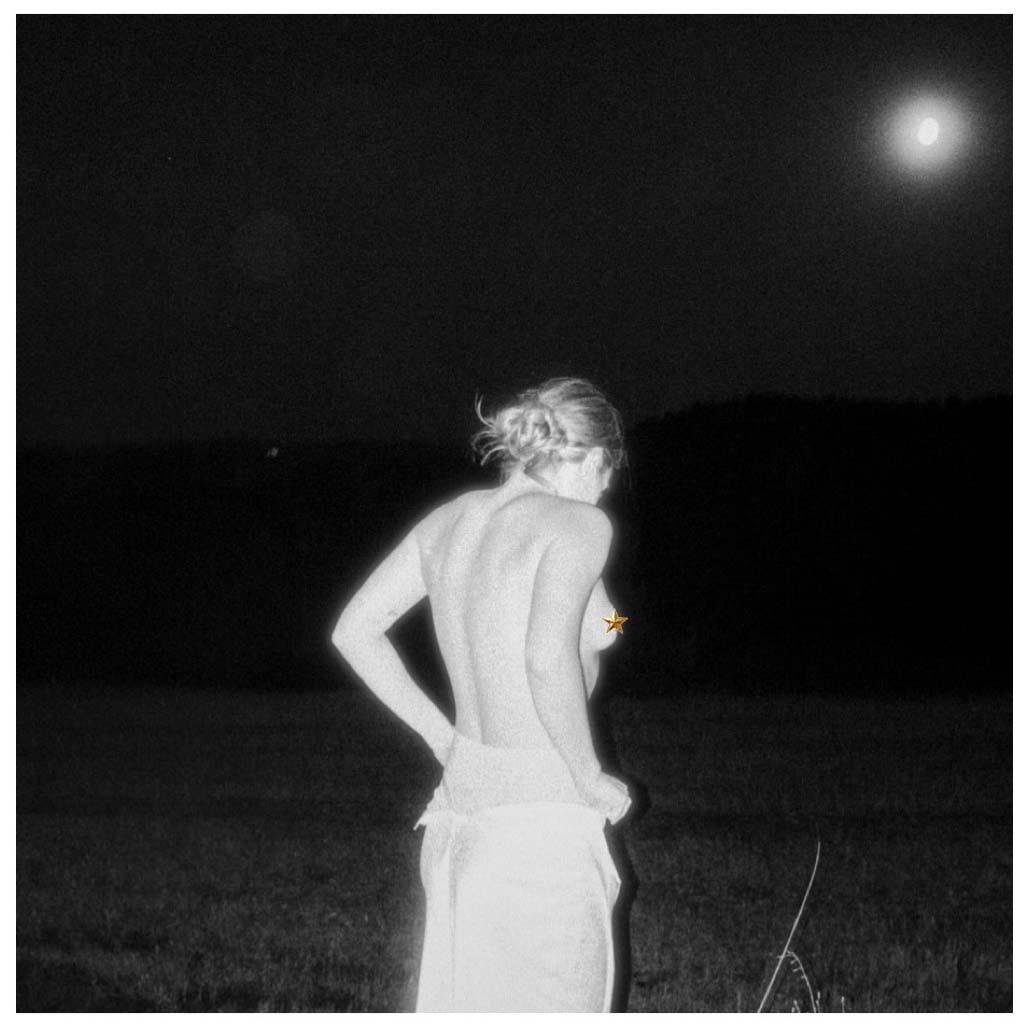
The choice of emulsion defines the wedding’s visual identity. Kodak Portra 400 is the benchmark for its warmth and latitude; Fujifilm 400H stands out for its pastel tones and soft greens; while options like Ilford Delta 3200 provide a grainy timeless black and white film wedding photography with robust contrast for complex lighting situations. We select them according to the occasion based on a mix of experimentation, narrative and drama.
Logistics Of Film At International Weddings
Light Requirements And Indoor Challengues
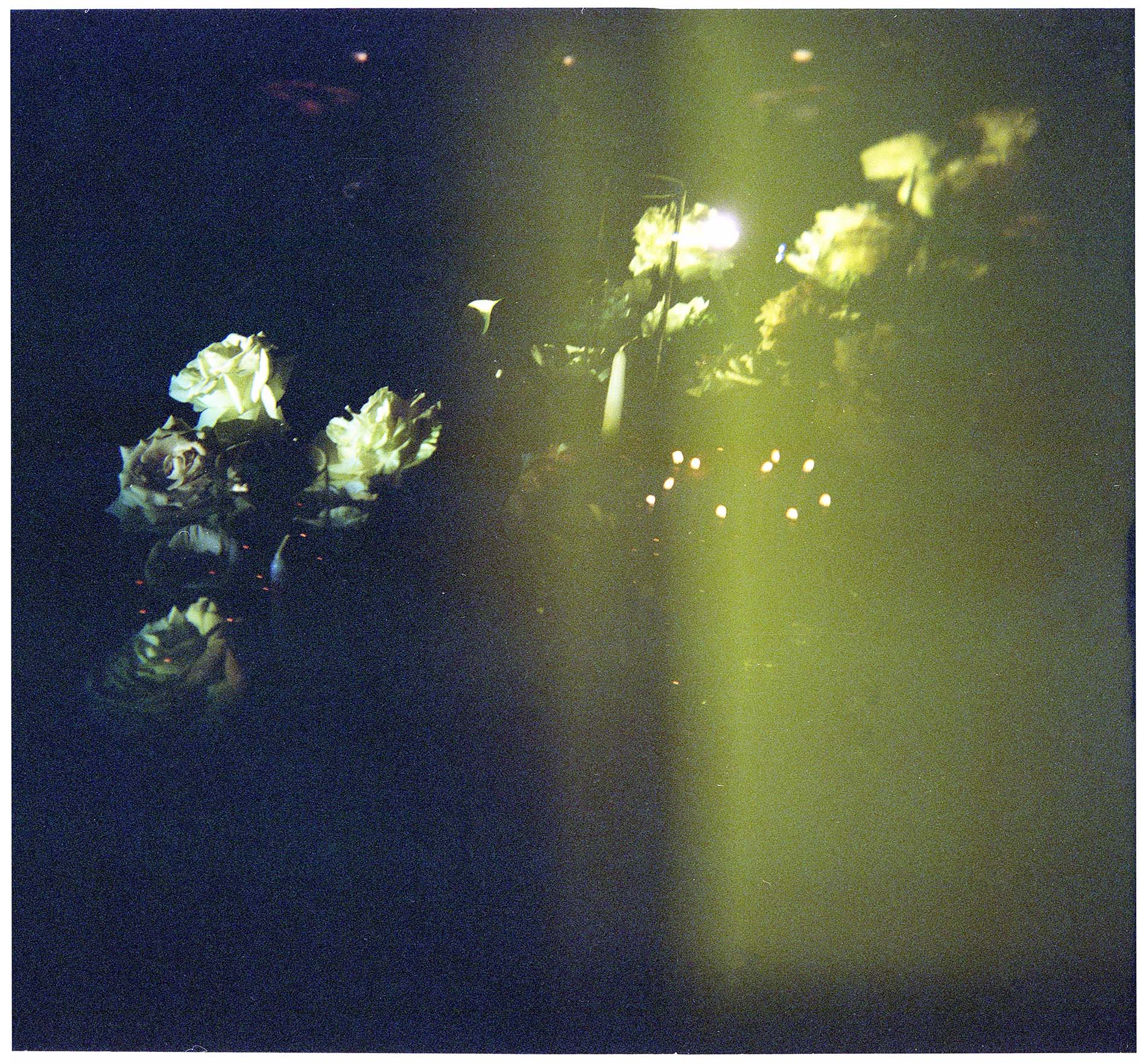
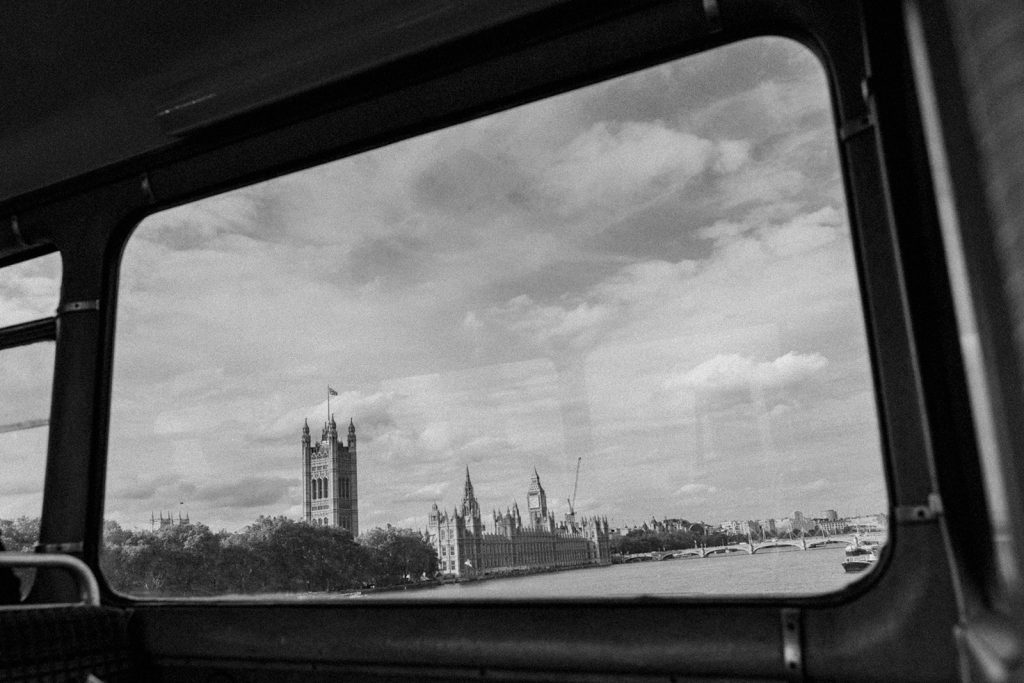
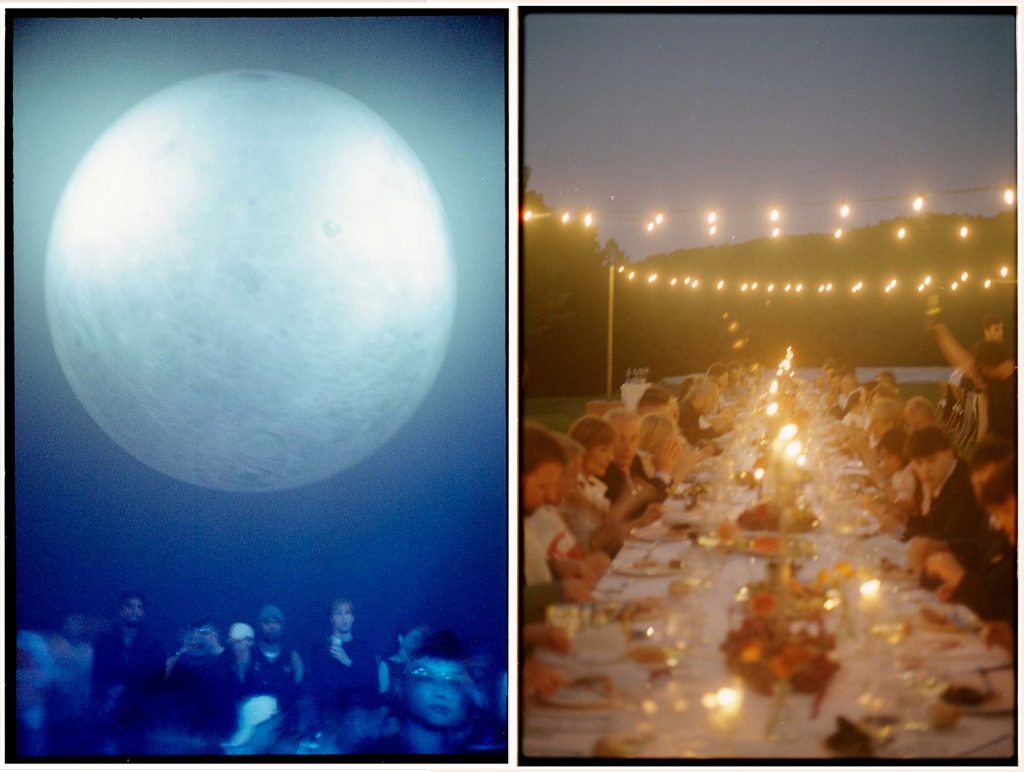
Film requires a deep technical understanding of exposure. In low-light conditions, such as dinners in Italian villas or French chateaus, sunny harsh light like Barcelona or cloudy and changing (London). Techniques like “push processing” or complementary artificial lighting are employed to ensure texture and detail are maintained without sacrificing the natural atmosphere.
How To Push Or Pull A Film
Push or pull processing film requires technical precision and experience. Adjusting exposure and development times is not simply a corrective measure — it is a deliberate creative decision. When handled with expertise, it allows us to extract greater latitude from a roll, respond to challenging light conditions, and shape contrast, grain, and tonal depth in ways that standard processing cannot achieve. The result is a distinct texture and atmosphere that would otherwise be impossible to replicate.
Check this video tutorial about to push or pull a film for point and shoot camera.
Handling Film: Airport And X-Ray
The logistics of a destination wedding demand strict transport protocols. Modern CT scanners at airports can damage unexposed film; therefore, it is imperative to transport film in carry-on luggage and request manual inspections (hand-checks) to preserve the chemical integrity of the silver halides before and after exposure. Domke filmguard bags helps.
The Lab Process: Developing and Scanning
The work does not end with the shutter click. Collaboration with professional laboratories (Foto Kotti in our case) is crucial. After so many years, we’ve developed a strong relationship with our lab, which allows us access to the development standards we need. In our case, we scan in-house because it’s the best way to have complete control over the results.
Film Vs Digital: A Collaborative Approach.
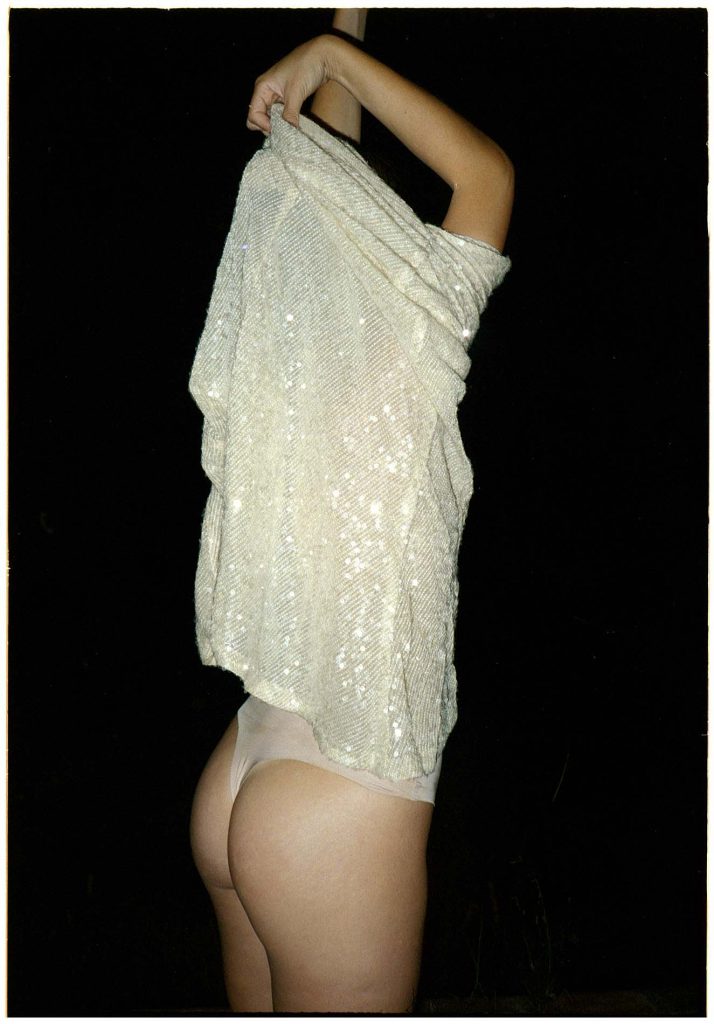
We operate with a hybrid workflow. Film is used for a high % of the visual narrative due to its aesthetic superiority, while digital is maintained as a security tool for extreme darkness or as an instant backup, ensuring total technical coverage without compromising the analog artistic standard.
Super 8mm Wedding Films
The nostalgic flicker and organic grain of Super 8mm film provide the ultimate sensory companion to analog photography. By using authentic Kodak motion picture stock, we capture the raw, impressionistic energy of your wedding day in a format that feels like a living memory rather than a clinical recording.
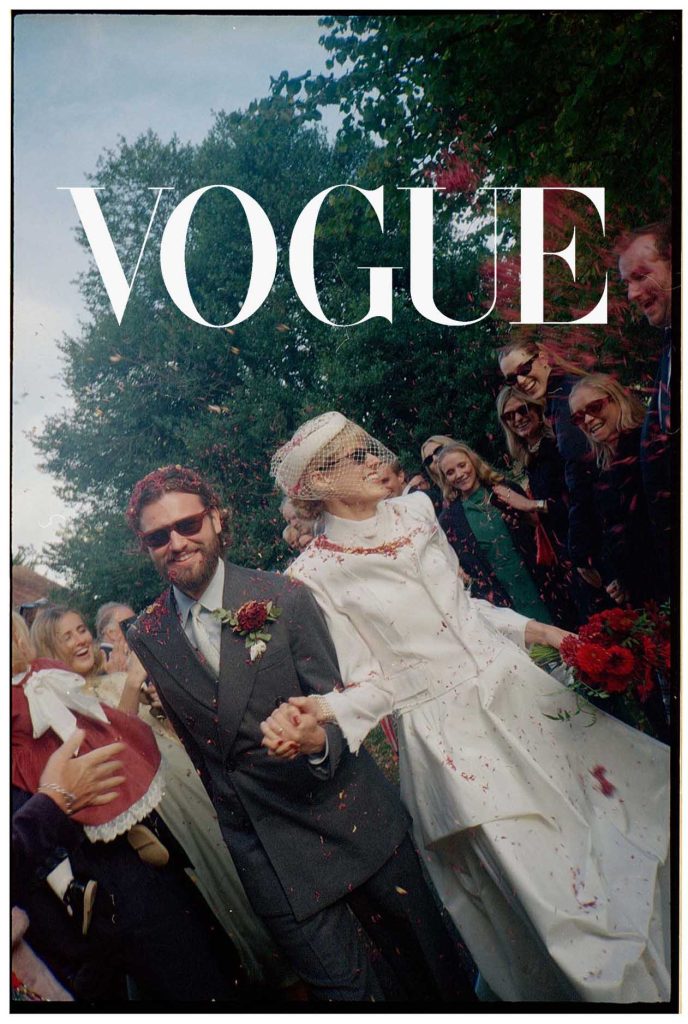
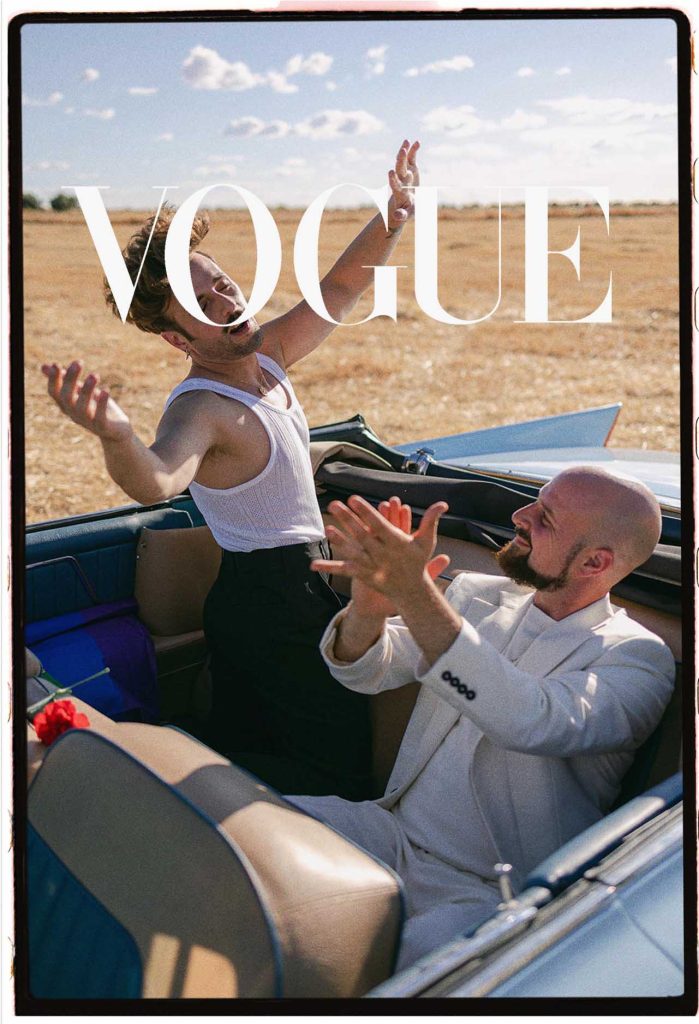
Featured In
Film Wedding Photography At A Glance
Timeless Aesthetic: Superior skin tone reproduction and highlight retention that digital cannot replicate.
Intentional Process: A slower, more mindful approach focused on quality and composition over quantity.
Physical Asset: Real film negatives provide a tangible, archival backup for future generations.
Format Versatility: Use of 35mm for candid storytelling and Medium Format for editorial-grade portraits.
Film handle: Airport security checks, good relationship with your lab, scanning control.
About Us
We’re Mónica and Pol — The Richters — a photographer and filmmaker project based in Europe working between documentary, film and art. For over 15 years we’ve been telling stories with an honest, emotional and deeply personal gaze, drawn to the quiet, intimate moments that often go unnoticed.
We are considered a reference within the industry, not only for our body of work but for the way we approach storytelling and craft. Through mentoring, talks and educational projects, we share our experience with a new generation of photographers and filmmakers, contributing to and shaping the creative community around us.
Beyond weddings, we develop personal projects that have received international recognition, with our work featured in Vogue and exhibited worldwide. Storytelling, for us, is always something real.
F.A.Q.
-IS FILM PHOTOGRAPHY RISKY FOR MY WEDDING PHOTOS?
Professional film photography is a highly stable and proven medium. By using professional-grade cameras and partnering with world-class laboratories, the risk is mitigated through rigorous technical protocols. Furthermore, the physical negative serves as a permanent backup that cannot be lost to a hard drive failure.
-CAN YOU SHOOT FILM IN LOW-LIGHT OR INDOOR RECEPTIONS?
Yes. While film thrives in natural light, technical expertise allows for high-quality results indoors. Techniques such as push processing (increasing light sensitivity during development) or using high-speed stocks like Ilford Delta 3200 ensure that the atmospheric grain and detail are preserved even in dimly lit European venues.
-HOW LONG DOES IT TAKE TO RECEIVE FILM SCANS
In our case, since we live in the same city as the lab (Berlin), we handed in the film the day after we got back from the wedding, receiving it in less than a week. Scanning it manually at home takes much longer.
-IS FILM MORE EXPENSIVE THAN DIGITAL PHOTOGRAPHY?
Film involves significant tangible costs, including the purchase of rolls and laboratory development fees. However, the value lies in the unique aesthetic, the intentionality of each shot, and the archival quality of the negatives, making it a premium investment for a wedding.
-WILL AIRPORT X-RAYS DAMAGE MY WEDDING FILM?
Modern CT scanners at airports can fog unexposed film. As specialized film destination wedding photographers, we follow strict security protocols, including carrying all film in hand luggage and requesting manual “hand-checks” by security staff to ensure the chemical integrity of your images remains intact. We know how it works in airports like London, Berlin or NYC.
HOW WOULD YOU DEFINE YOUR WEDDING PHOTOGRAPHY STYLE?
People often describe our work as vibrant, honest, emotional, and authentic. Shooting on film adds texture and depth, and we keep editing minimal so the images feel natural rather than overly polished.
For that reason, our work often resonates with people connected to film, design, architecture, music, or the arts, people who care about atmosphere, light, and visual culture.
Many of the weddings we photograph lean toward what’s often described as quiet luxury: thoughtful spaces, beautiful materials, and a sense of elegance that doesn’t need to announce itself. Film tends to sit naturally in that world.
Contact Us
Let’s talk about your plans, ideas and feelings. We are happy to guide you and answer all your doubts. We only do 10 weddings a year so please check availability. Write us using the form below or by email at hey@onlytherichters.com